

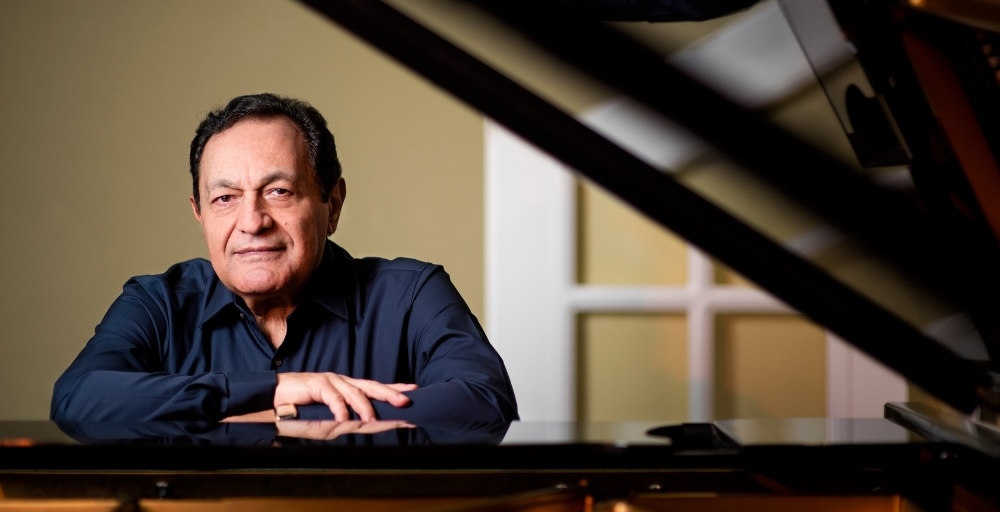
PROPOSED CONCERT PROGRAMMES 2027
INSTANTS - Great Musical Miniatures for Piano
* Works by Chopin: Preludes, Nocturnes and Mazurkas
* Works by Schumann and Grieg
* Works by Scarlatti, Bach, Beethoven, Schubert, Liszt,
Wagner, Dvořák, Sibelius, Mussorgsky and Scriabin
INSPIRATION
Johannes Brahms
***
Contact us for more information and bookings:
info@daniellevypiano.com
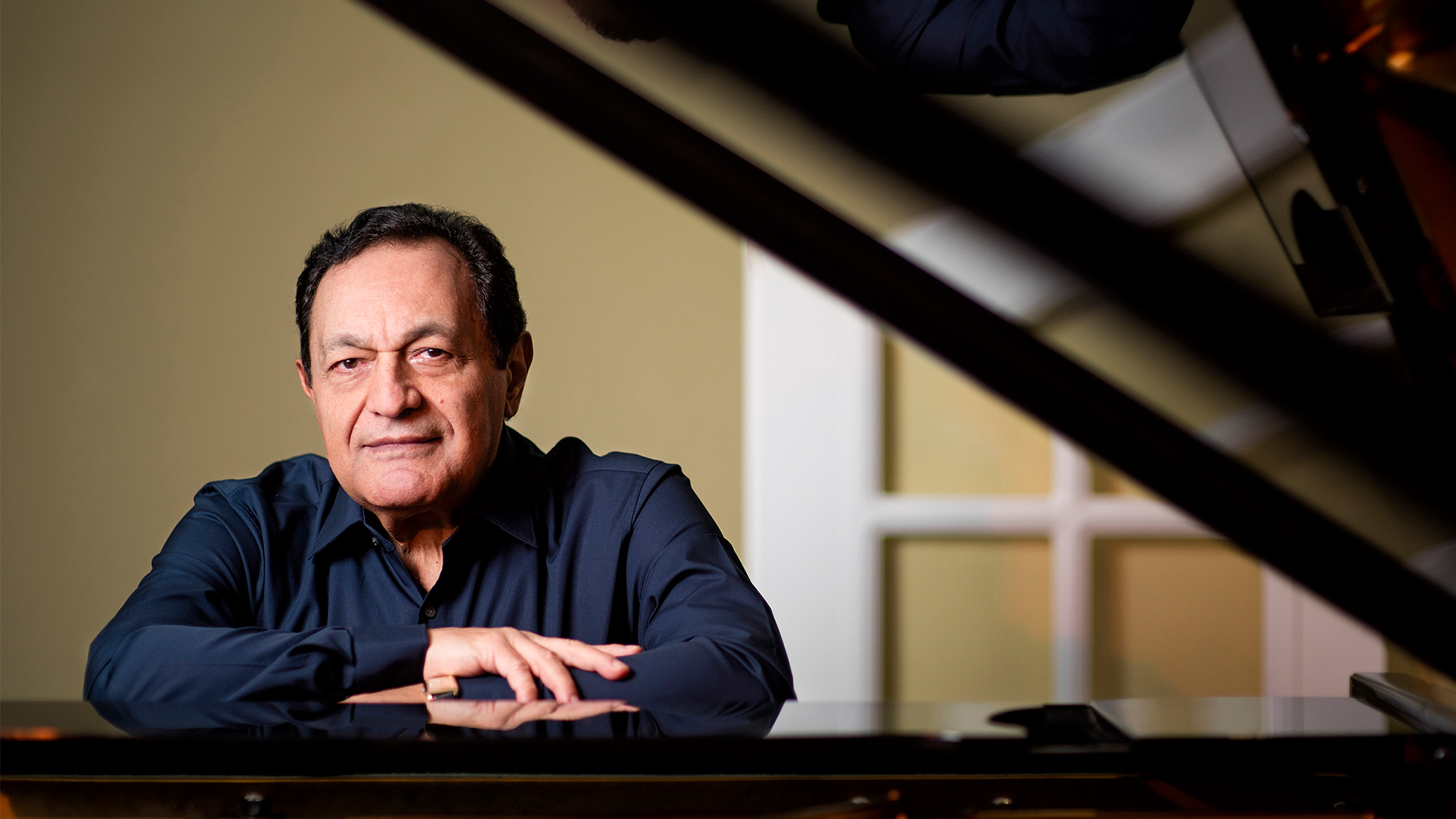
Instants at the Piano
RITMO MAGAZINE / Gonzalo Pérez Chamorro
Daniel Levy transforms the piano into a realm of revelation, where each note seems to emerge from a fertile silence and return to it, transfigured into light. From the grand forms of the sonata and variations to the miniature form explored in Instants, he presents a concert format that “offers complete programmes built around carefully selected sequences of short pieces that heighten our intuition as we listen”.
We know Maestro Levy for interpretations that eschew virtuosity as a mere display of technical prowess, in favour of a search for the essential: the intimate breathing of music, its contemplative dimension and its power to evoke beauty, in an act that seeks to redeem the art of Listening.
To listen to Daniel Levy is to witness a dialogue between time and spirit, in which music becomes a bridge to our inner selves and to wonder. With Instants, as he explains in this interview, “the aim is not to reduce the formats, but to gain a deeper understanding of the natural laws governing human perception, and to transcend the very idea of time and duration”.
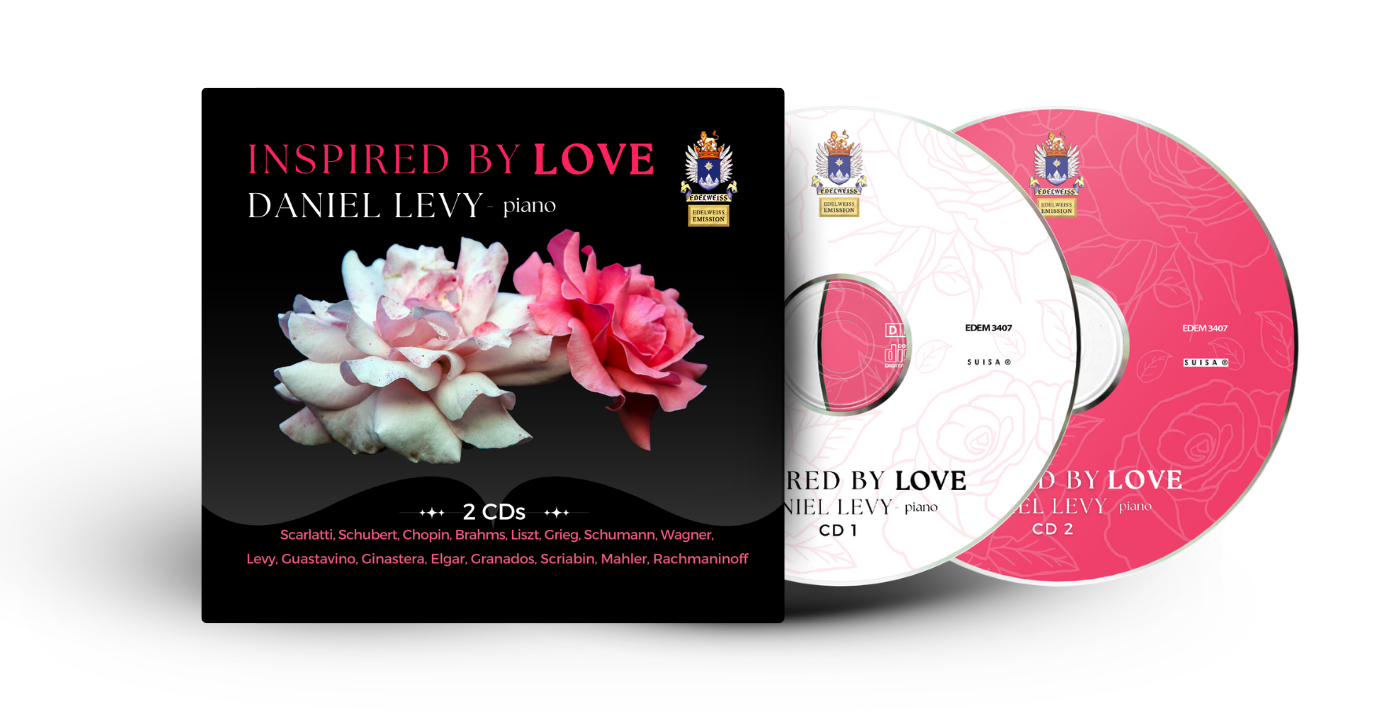
Inspired by Love –
review
RITMO MAGAZINE / Luis Suárez
“The diversity of the repertoire attests to the universality of love, while Levy’s interpretations are distinguished by their maturity, their rejection of mere effect for its own sake, and their remarkable ability to transform sound into a balm for the soul. An indispensable recording for those who seek in the piano something beyond technical brilliance: an experience of profound human connection.”
Levy, Love and Music –
review
CDT (Switzerland) / Giovanni Conti
«No se trata únicamente de una recopilación de páginas célebres del repertorio romántico, sino de un proyecto concebido desde una precisa visión poética, en la que el amor se convierte en principio creativo, fuerza generadora y punto de encuentro entre la experiencia humana y la trascendencia.»
Daniel Levy explores the fascinating universe of musical inspiration, revealing numerous confessions and thoughts of the great composers regarding the moment of creation, and interprets at the piano the works arising from this source of beauty. In a direct way, and without the mental intermediation of musicology, history or music criticism, he leads the listener to a direct contact with the heart, soul and mind of the musician. An essential living experience for all classical music lovers: the rediscovery and appreciation of musical inspiration.

INSPIRATION
Inspiration is the common factor for all composers throughout the history of music, wherever they have worked and whatever style they have adopted.
It is commonly believed that inspiration is the result of an instant, but the truth is much more complex.
Composers have drawn inspiration from their own unconscious, from experiences in their own lives and from the perception of an ideal or of the infinite.
"In these Concert-Dialogues, Daniel Levy combines the rigour of his approaches with clarity of exposition, capacity for synthesis, absolute mastery of his piano technique and humanist fervour. In short, he possesses what the critic and narrator Ernesto Schóo called 'loving intelligence'".
Goen / Perla Zayas de Lima
"A rich and rare experience. The style of a concert-dialogue is, for our current time, an appropriate way of bringing the works of the past closer to the audience."
La Nación
"These activities, which should be constant and form part of a continuous audience training programme, allow us to present these geniuses with a different point of view, to tell the story with a different depth, to explain with words and feelings. There, in that space, it is not necessary to have an academy or to know about forms or tonalities to connect with the life of another and, much less, with his music".
MúsicaClásicaBA / Nahomi Martínez
READ WHAT THE CRITICS SAY →
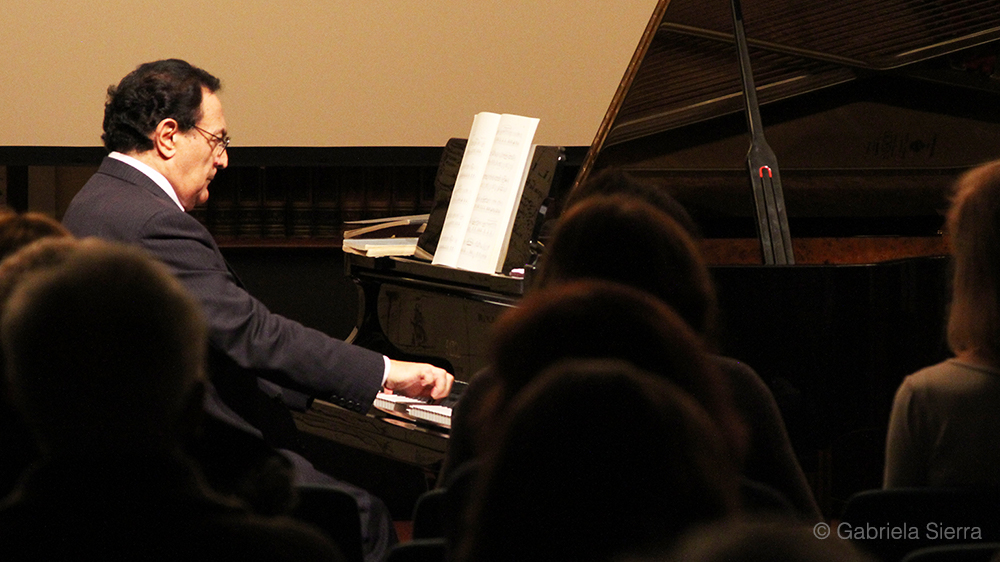
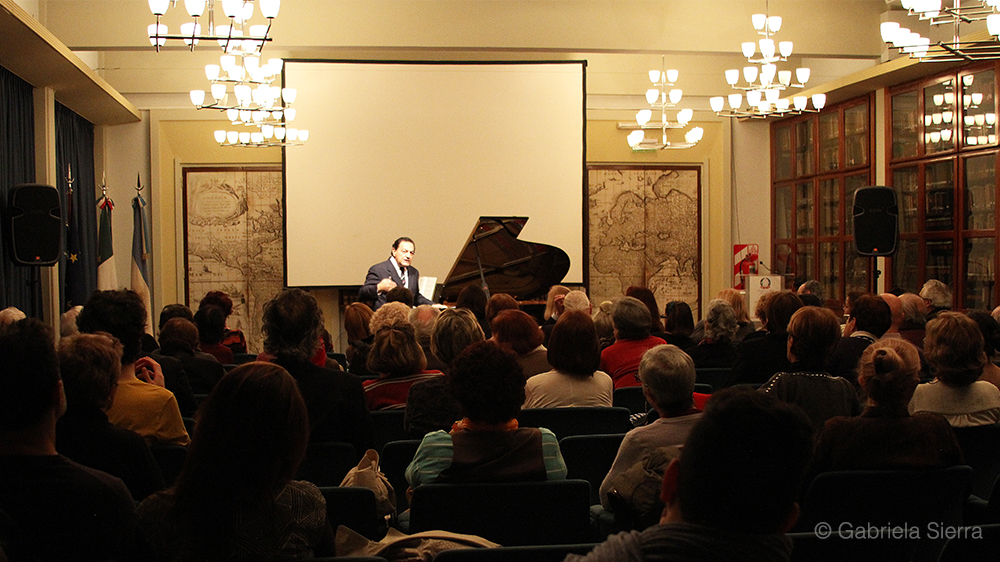
WHAT IS A CONCERT DIALOGUE?
-
An experiential experience that connects the listener with the inspiration and musical intuition of the composer.
-
The style of a Concert-Dialogue is for our time a relevant and innovative way of presenting and conveying the works of the past and bringing them closer to the audience.
-
It is an effective way to overcome the rigid forms of a traditional concert, stimulating the audience to easily penetrate into the heart of the musical creators.
-
It is not an illustrated lesson.
-
It is not a musicological dissertation with musical examples.
-
It is not a compendium of music history.
What the Critics Say / Interviews
"A rich and rare experience. The style of a concert-dialogue is, for our current time, an appropriate way of bringing the works of the past closer to the audience."
LA NACIÓN
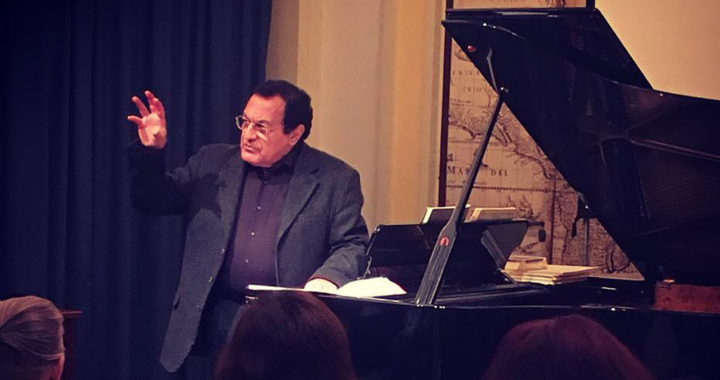
The Inspiration of the Great Masters with Daniel Levy
MúsicaClásicaBA / Nahomi Martínez
These activities, which should take place regularly and form part of an ongoing audience development programme, offer an opportunity to present these great masters from a different perspective, to tell their stories with greater depth, and to explain them through both words and feelings. In this space, there is no need for formal musical training or knowledge of musical forms and keys to connect with another person’s life — and, above all, with their music.
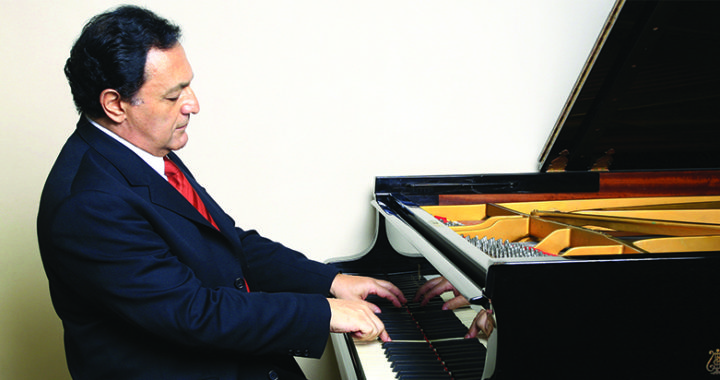
The Delicate Art of Listening to Sounds
CANTABILE / Alejandro Stilman
An internationally acclaimed pianist and master of the art of listening, Daniel Levy returns to Buenos Aires for two performances.
The vision of an artist-researcher exploring “what music tells us without words”.
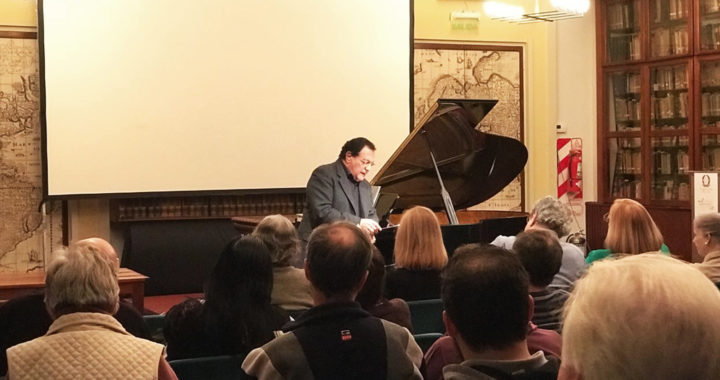
Knowing, Learning and Listening Through Inspiration
ASSOCIATION OF MUSIC CRITICS OF ARGENTINA / Donato Decina
I was fortunate enough to attend the second of these talks, and it was truly a revelation to discover the talent and inspiration of Clara Wieck, of whom so little is known, as she has understandably been overshadowed by the strong personality of her husband, Robert Schumann.
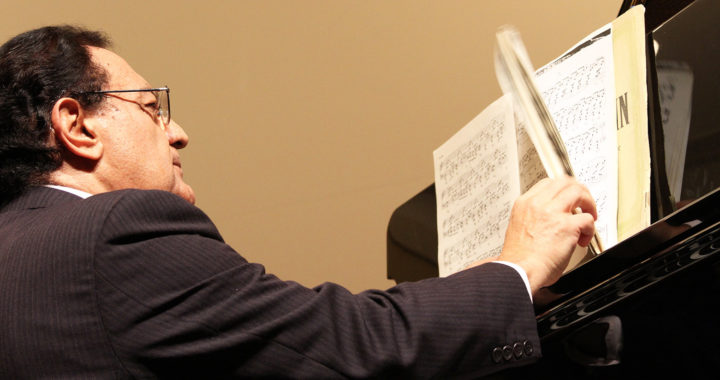
Concert Dialogues –
Dialogued Concerts
GOEN / Perla Zayas de Lima
The challenging marriage of words and music is explored by pianist Daniel Levy in a series of three encounters focusing on the theme of Musical Inspiration, through the works of three composers: Bach, Clara and Robert Schumann, and Brahms.
This proposal is, in itself, a considerable challenge, as it seeks to connect the “confessions and thoughts” of these composers on the creative process with the works that emerged from that original moment of inspiration. How can inspiration be explained in words through a logical argument?
Daniel Levy maintains that he will rely neither on the intellectual mediation of musicology nor on the perspectives of musical history and criticism. His aim is to enable the audience to connect, both intellectually and emotionally, with the inner and emotional worlds of the creators.
The Concert Dialogue is a musical experience founded on the intimacy between performer and audience, through a communicative bridge that reveals the composer’s intuitions and creative world. It is an inner journey, in which the chosen works are linked by subtle threads.
This entails a threefold dialogue: between Levy and Bach, Schumann and Brahms; between Levy and the audience; and between the audience and the three composers. In the performing arts, particularly in theatre, this is the ultimate aspiration, as demonstrated by the now-canonical theories of reception.
Composers, performers and listeners together form the indivisible and essential unity of the artistic ceremony, allowing that which initially resides in silence to become audible. This fundamental task, followed by the effort to give sound an architectural structure, gave birth to the works we now call masterpieces — works that could not have existed without that inner foundation: INSPIRATION.
Two words are central to this statement of principles: ceremony and inspiration.
Listeners and creators are brought together in a space of profound symbolic significance, opening up the possibility of cultivating a rhythmic and harmonious soul — as Protagoras aspired to do — through musical rhythm and harmony. Inspiration is the ability to grasp the design of an artistic work instantaneously, bypassing the intermediate stages of association and reasoning, without excluding “effort” or theoretical reflection.
This exploration of the distinctive creative processes of these four artists (including Daniel Levy himself, who does not shy away from self-reference) will foster an inner landscape of sound and the kind of genuine participation made possible by moving beyond the distance of mere observation and engaging all the senses.
His talent not only as a composer, but also for “establishing an intimate connection with the audience”, together with his research into the emotional, intellectual and spiritual effects of music and its repercussions on human relationships, provides compelling support for this approach.
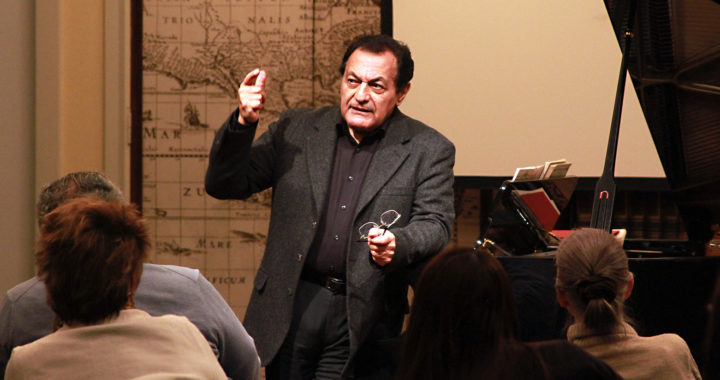
Clara and Robert Schumann in Concert Dialogues
GOEN / Perla Zayas de Lima
Further reflections on this proposal
From a musical perspective, I would highlight the artist’s ability to transform an auditorium into a resonant sonic space, alive with shared vibrations. He is a master not only in his performance of the scores, but also in the way he creates the conditions for a transition from spoken discourse to the language of music, emerging either from the instrument or from a recording, and from both into the visual realm, through facsimiles of scores that audience members can hold in their hands.
The performance of rarely heard works by Clara Schumann — still virtually unknown even among music lovers — is complemented by Levy’s presentations, delivered standing beside the piano. His ideas can readily be applied to other art forms, including the one at the heart of my own research: theatre.
According to Levy, the case of Clara Schumann is particularly significant. Only part of her oeuvre is known, and that repertoire is, in turn, performed almost exclusively by female pianists. This is due not only to the individual choices of potential performers, but also to decisions made by concert organisers, who impose a particular repertoire.
In these Concert Dialogues – Dialogued Concerts, Daniel Levy combines the rigour of his approach with clarity of expression, an ability to synthesise, absolute mastery of his pianistic technique and humanistic fervour. In short, he possesses what the critic and novelist Ernesto Schóo called “loving intelligence”.